
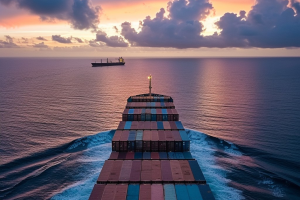
Prices of containers up almost 3x since December 2024
In light of recent geopolitical tensions and environmental factors, U.S. West Coast ports are anticipating a notable increase in container shipments over the next few months. Factors contributing to this shift include restrictions on the Panama Canal due to drought and security concerns in the Red Sea, which have led to a significant rerouting of maritime traffic. Although specific figures regarding the expected increase in containers and ships are not directly available, the industry is preparing for a surge in activity. This situation is further compounded by the Drewry World Container Index noting a 173% increase in spot container rates year to date, illustrating the direct impact of these disruptions on shipping costs

Additionally, recent incidents in the Red Sea, including attacks on commercial vessels such as the bulk carrier Genco Picardy, underscore the heightened risks in this key maritime corridor. These security concerns have necessitated detours around the Cape of Good Hope, contributing to increased operational costs for carriers and, by extension, impacting global shipping rates
The move towards the U.S. West Coast is seen as a proactive response to ensure continuity in the supply chain, drawing lessons from the COVID-19 pandemic’s impact on global shipping. Ports are leveraging these insights to enhance their readiness for handling heightened traffic without the congestion that previously plagued them during the pandemic’s peak periods.
Stakeholders within the shipping and logistics sectors are closely monitoring the evolving situation, emphasizing the need for adaptive strategies to accommodate the dynamic trade environment. This development represents a crucial juncture for the maritime industry, highlighting the resilience and adaptability required to navigate the complexities of international trade in the face of unforeseen challenges.