
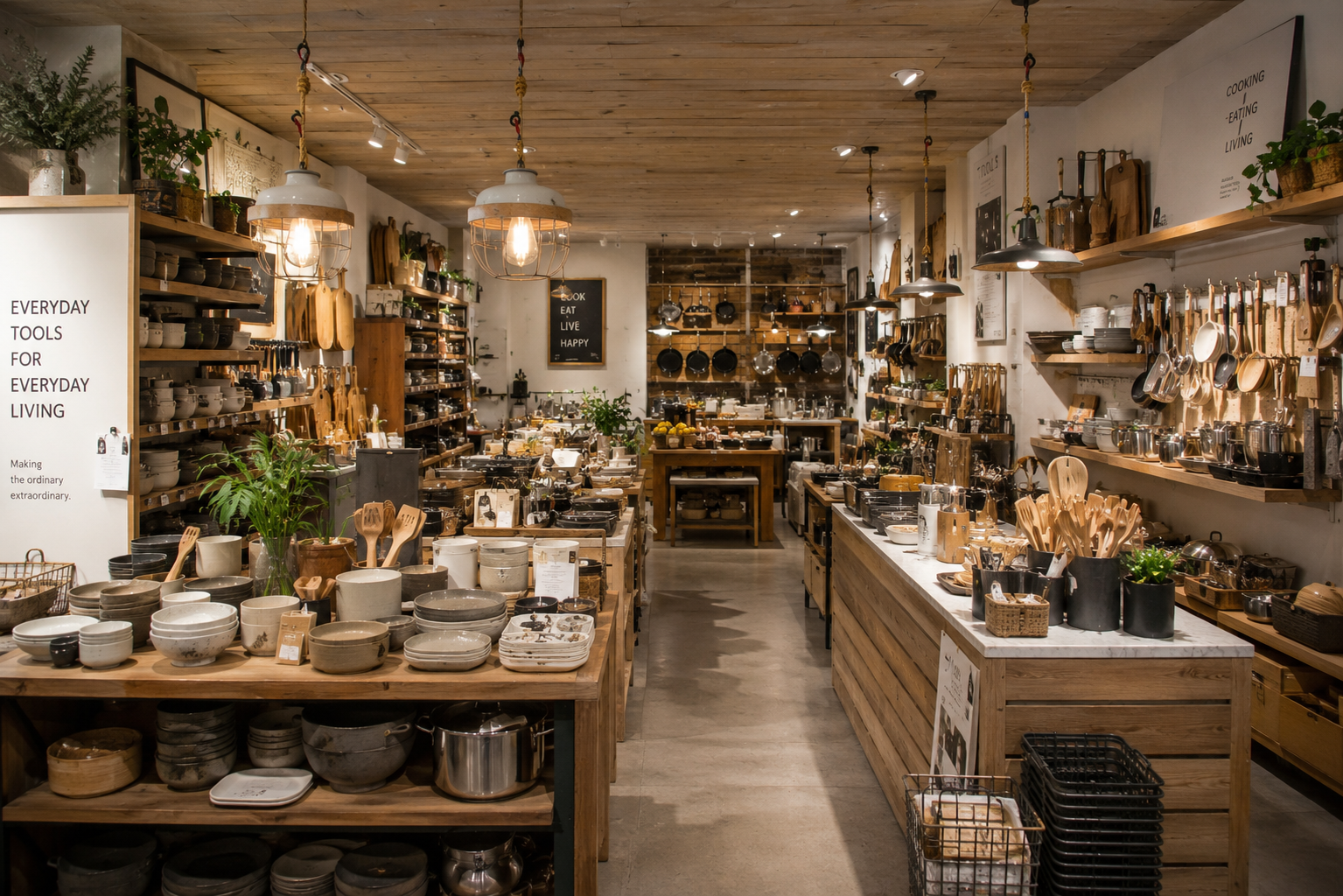
Have you ever wondered why some customers walk into a store, look around, and end up buying something, while others leave within minutes?
Often, it is not only about the product. It is also about the shopping experience.
Understanding how customers shop helps retailers create environments that encourage exploration, build confidence, and ultimately increase sales. From the moment a customer enters a store, every detail—from the layout and lighting to product displays and staff interactions—shapes their buying journey.

👀 1. Attention Spans: First Impressions Matter
Customers form their first impression within seconds of entering a store.
They immediately notice the storefront, lighting, cleanliness, product displays, and overall atmosphere. These elements influence whether they feel invited to stay and explore or leave without looking further.
A welcoming entrance, attractive displays, and a well-organized environment encourage customers to slow down and engage with your products.
🚶 2. Browsing Behavior: Customers Explore Before They Buyms securely
Most customers don’t enter a store with the intention of buying the first item they see.
Instead, they browse, compare products, touch materials, read product information, and imagine how an item fits into their lifestyle.
A well-designed store guides customers naturally through different product categories while making it easy to discover new items. Strategic product placement and thoughtful visual merchandising can significantly increase both engagement and sales.

💡 3. Decision Making: Buying Is Emotional and Rational
Price is only one part of the purchasing decision.
Customers also evaluate product quality, presentation, brand reputation, service, and the overall shopping experience. In many cases, the way a product is displayed or the story behind it creates more value than a discount ever could.
People don’t simply buy products—they buy confidence, inspiration, and solutions to their needs.
🚪4. Why People Stop Buyingts
Even when customers are interested, they may leave without making a purchase.
Common reasons include:
❌ A cluttered or confusing store layout
❌ Difficulty finding products
❌ Missing or unclear pricing
❌ Limited product information
❌ Long checkout lines
❌ Lack of assistance when needed
❌ An uninspiring shopping environment
Removing these barriers creates a smoother and more enjoyable shopping experience.

✨ 5. Creating a Store That Customers Enjoy
Successful retail stores are intentionally designed around customer behavior.
Simple improvements can make a meaningful difference:
✅Create a clear and welcoming entrance.
✅ Design intuitive customer pathways.
✅ Use attractive visual merchandising.
✅ Keep product information easy to understand.
✅ Ensure staff are available without being intrusive.
✅ Make checkout quick and convenient.
Every detail contributes to how customers feel inside your store—and those feelings influence whether they buy.
🎯 Final Thoughts
Great retail experiences don’t happen by accident.
By understanding customers’ attention spans, browsing behavior, decision-making process, and the reasons they leave without buying, retailers can design spaces that feel engaging, intuitive, and memorable.
When stores are built around how people naturally shop, they don’t just sell more products—they create experiences that customers want to return to.
Leave a Reply