
✨ Introduction
Whether you are building a retail store, renovating a showroom, setting up a Pop-Up Shop, or working on an interior project, having a good design is only part of the process. Managing the budget is just as important.
Without proper cost planning from the beginning, unexpected expenses can quickly add up and push a project beyond its original budget.
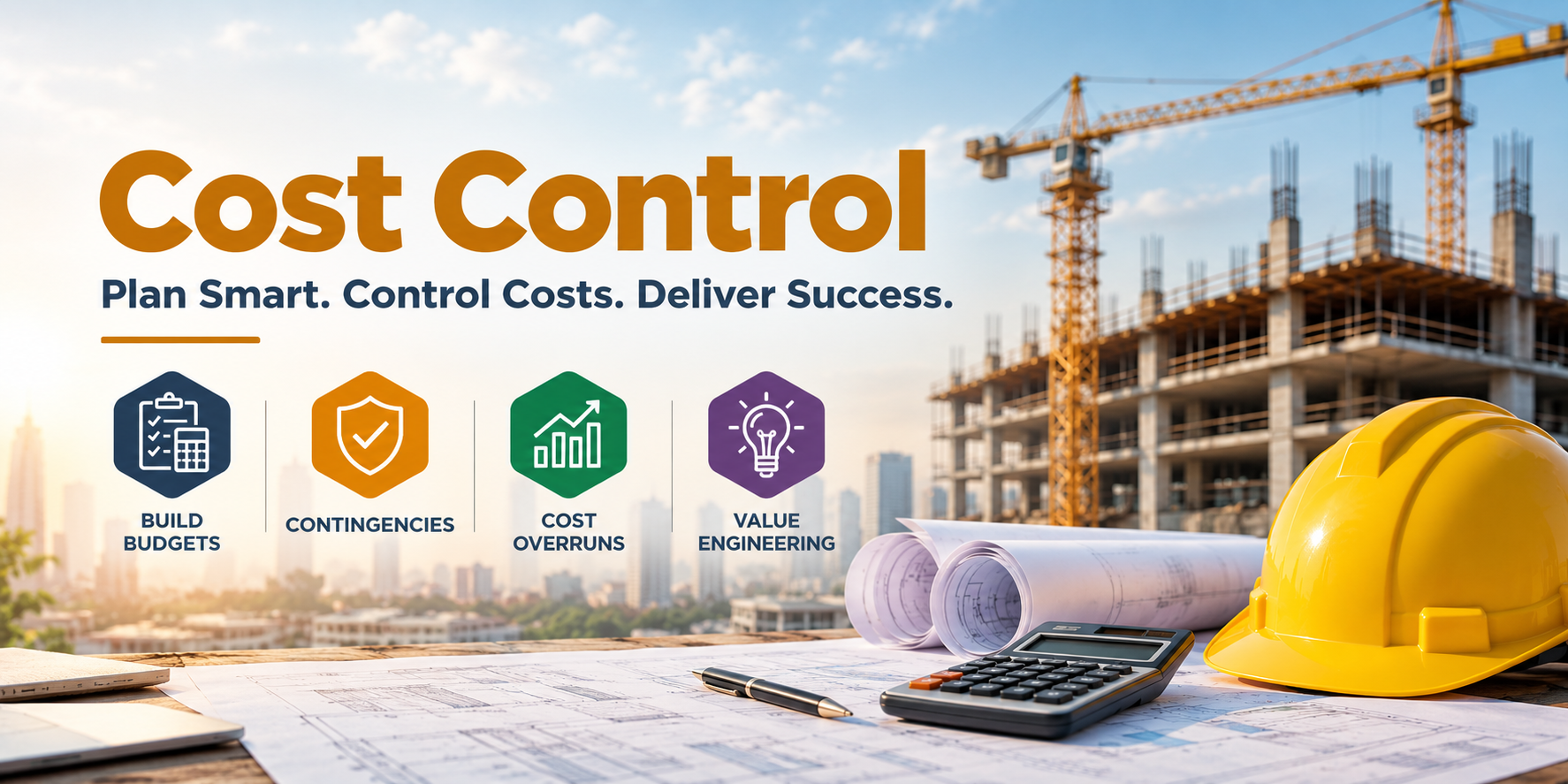
Budgeting & Cost Control helps businesses plan, track, and manage project expenses in a more organized way. It covers four key areas: Build Budgets, Contingencies, Cost Overruns, and Value Engineering.

💵 1. Build Budgets
Before starting a project, it is important to set a clear budget and divide expenses into different categories. This makes it easier to understand where the money will be spent.
Typical costs may include:
- Construction and renovation
- Furniture and display fixtures
- Lighting and electrical work-Decorative materials
- Decorative materials
- Signage and branding
- Labor
- Transportation and installation

Breaking the budget into categories also makes it easier to compare quotations and track actual expenses throughout the project.
🛟 2. Contingencies
Even with careful planning, unexpected expenses can happen. Material prices may change, site conditions may require additional work, or problems may only become visible once construction begins.
For this reason, it is helpful to set aside a separate Contingency Budget.
A contingency of around 5–10% of the project budget is often used as a starting point, although the appropriate amount depends on the project’s risks and uncertainties.
For example:
Project Budget: 500,000 THB
Contingency: 25,000–50,000 THB
This money should be reserved for genuinely unexpected costs, rather than unnecessary upgrades or additional decoration.
📈 3. Cost Overruns
A Cost Overrun happens when the actual project cost becomes higher than the amount originally budgeted.
Common causes include:
- Design changes during the project
- Additional Scope of Work
- Incorrect material estimates
- Increases in material or labor costs
- Project delays
- Rework or corrections
- Lack of regular cost monitoring
One of the best ways to reduce this risk is to regularly compare Budget vs. Actual Cost.
Any additional work should also be priced and approved before it begins.
For example:
Budget: 500,000 THB
Actual Cost: 540,000 THB
Cost Overrun: 40,000 THB or 8%
The earlier an overrun is identified, the easier it is to adjust the plan before costs increase further.
⚙️ 4. Value Engineering
Value Engineering (VE) does not simply mean choosing the cheapest option. It means finding a more cost-effective solution while maintaining the required function, quality, and overall design.
For example:
Original Plan: Custom-build every display shelf.
VE Option: Custom-build only the main feature displays and use ready-made furniture in secondary areas.
Examples of In-Project Cost Control Methods

⭐ Key Principles of Budgeting & Cost Control
- Plan First — Set the budget before starting the project.
- Track Costs — Regularly monitor actual expenses.
- Keep a Contingency — Prepare a reserve for unexpected costs.
- Control Changes — Price and approve additional work before proceeding.
- Use Value Engineering — Look for cost-effective alternatives without compromising essential quality.
✨ Conclusion
Budgeting & Cost Control is about managing project finances from beginning to end—from setting the initial budget and preparing a contingency to controlling cost overruns and using Value Engineering to find better-value solutions.
The goal is not simply to “make everything as cheap as possible.” Instead, it is about spending wisely, controlling costs, and completing the project while maintaining the right balance between budget, quality, and project goals.
Leave a Reply