
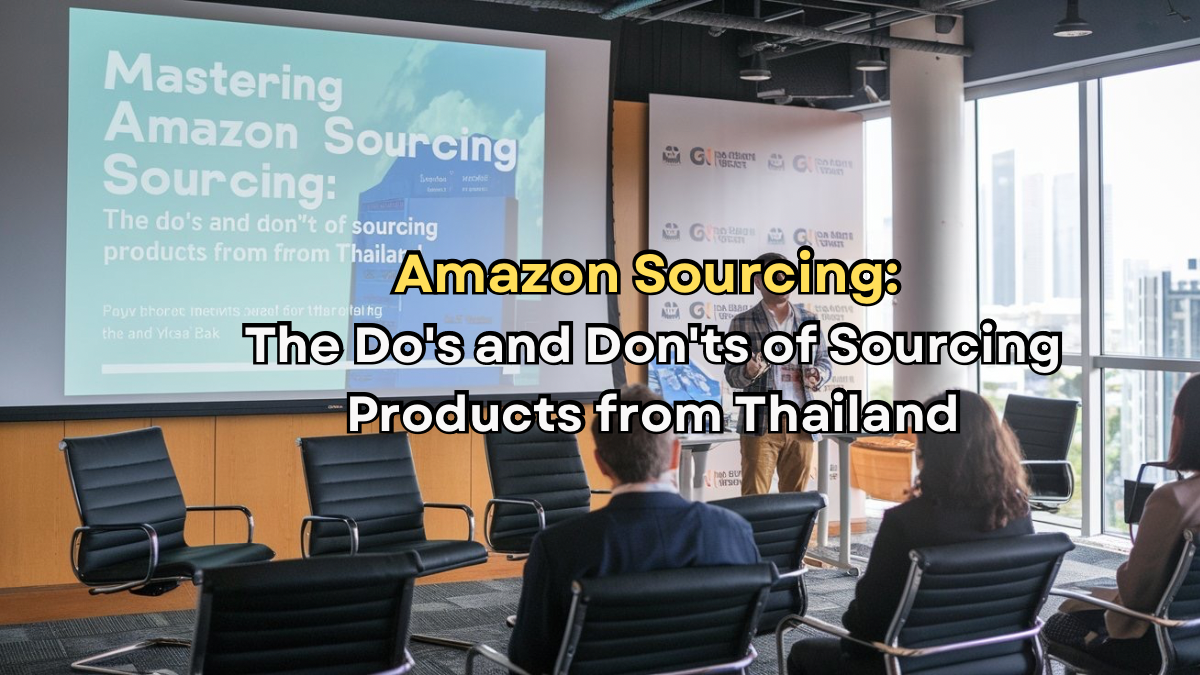
Sourcing products from Thailand for Amazon can be a strategic move, given the country’s rich manufacturing landscape and diverse product offerings. However, to ensure success, it’s crucial to navigate this process with careful planning and awareness of potential challenges. Here’s a comprehensive guide on the do’s and don’ts of sourcing from Thailand:
Do’s:
- Conduct Thorough Market Research:
- Identify products with high demand and low competition on Amazon. Utilize tools like Amazon’s Product Opportunity Explorer to analyze sales trends and customer needs.
- Verify Supplier Credibility:
- Engage with reputable suppliers by attending trade shows, using verified online directories, or consulting government trade promotion agencies.
- Assess suppliers’ production capabilities, quality control processes, and responsiveness. Request product samples or visit their facilities to ensure standards are met.
- Understand Cultural Nuances:
- Recognize and respect Thai business customs and communication styles to build strong relationships with suppliers.


- Implement Quality Control Measures:
- Establish clear product specifications and consider hiring third-party inspection services to maintain product quality.
- Stay Informed on Regulations:
- Ensure compliance with both Thai export regulations and Amazon’s policies to prevent legal issues and listing removals.
Don’ts:
- Neglect Due Diligence:
- Avoid rushing into agreements without thoroughly vetting suppliers, as this can lead to quality issues and unreliable partnerships.
- Overlook Hidden Costs:
- Be mindful of additional expenses such as shipping, customs duties, and taxes, which can impact profitability.
- Ignore Intellectual Property Rights:
- Ensure that products do not infringe on existing patents or trademarks to avoid legal complications.
- Depend on a Single Supplier:
- Diversify your supplier base to mitigate risks associated with delays or quality inconsistencies.
- Disregard Communication Barriers:
- Be proactive in addressing language differences to prevent misunderstandings that could affect product specifications and timelines.


By adhering to these guidelines, sellers can effectively leverage Thailand’s manufacturing strengths and successfully integrate quality products into their Amazon offerings.
As one of the Amazon sellers bringing products from Thailand, Pankesum recommends having a trusted partner who can assist with everything from sourcing to shipping to the United States, including handling Amazon’s internal logistics, such as FBA shipments.
If you’re interested in these services or would like to discuss your needs, please don’t hesitate to contact us. We’d love to help make your sourcing journey seamless and successful.

Leave a Reply